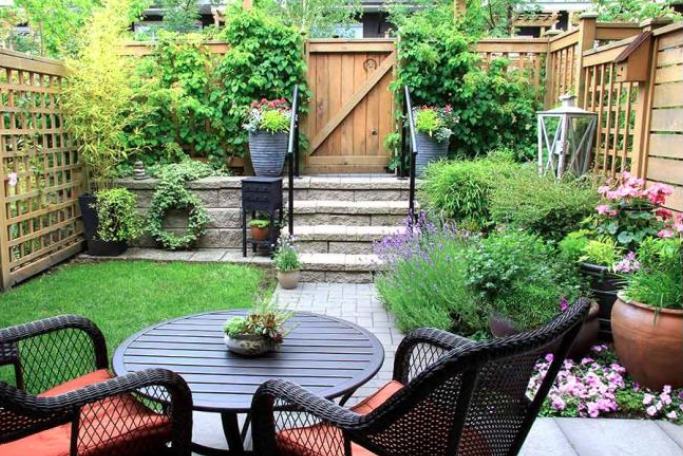
A garden is more than just plants growing in soil—it’s a living ecosystem that reflects care, patience, and balance. Whether you’re nurturing a small backyard, a balcony filled with pots, or a wide open lawn bursting with greenery, understanding how gardens and plants work together is the key to creating a healthy green space. Gardening isn’t about perfection; it’s about harmony between nature and human effort.
Healthy gardens don’t happen overnight. They grow slowly, season by season, shaped by choices you make every day—what you plant, how you water, how you care for the soil, and how you respond when things don’t go as planned. Plants communicate constantly through their leaves, growth patterns, and even the way they respond to sunlight. Learning to “listen” to them makes gardening not just easier, but deeply rewarding.
In this guide, we’ll explore practical, real-world strategies to help you grow strong plants and maintain a lush, healthy ruang alam. From soil preparation to sustainable gardening habits, this article walks you through everything you need to know—without overcomplicating things. Think of it as a long conversation with nature, where you slowly learn what works, what doesn’t, and how to enjoy every step along the way.
The Connection Between Gardening and a Healthy Lifestyle
Gardening isn’t just good for plants—it’s incredibly beneficial for people too. Spending time in a garden connects you to nature in a way that few other activities can. The simple act of planting, watering, and caring for greenery has proven mental, physical, and emotional benefits.
From a physical standpoint, gardening keeps you moving. Digging, pruning, planting, and watering may seem gentle, but they engage muscles, improve flexibility, and increase overall activity levels. It’s a workout disguised as a hobby, one that doesn’t feel like exercise but delivers real health benefits over time.
Mentally, gardens act like natural therapy rooms. Green spaces reduce stress, calm the nervous system, and improve mood. Watching plants grow—especially ones you’ve nurtured yourself—creates a sense of accomplishment and grounding. In a world that moves fast, gardening slows time down. It reminds you that growth can’t be rushed and that patience is often rewarded.
Environmentally, gardens improve air quality, support pollinators, and contribute to biodiversity. Even a small garden or collection of plants can make a meaningful difference. When you grow a healthy green space, you’re not just improving your surroundings—you’re improving your quality of life.
Understanding Your Garden Space Before Planting
Before you put a single plant in the ground, it’s essential to understand your garden space. This step is often skipped, yet it’s one of the most important parts of successful gardening. Every garden is unique, shaped by climate, sunlight, soil, and surrounding structures.
Start by observing how sunlight moves across your space. Some areas may receive full sun for most of the day, while others remain shaded by trees or buildings. Plants have specific light needs, and placing them incorrectly can lead to weak growth or failure. Knowing where the sun hits helps you match plants to the right spots.
Climate is another major factor. Temperature extremes, rainfall patterns, and seasonal changes all affect plant health. Choosing plants suited to your local climate dramatically increases your chances of success. Soil condition matters just as much. Is it compacted, sandy, or rich and dark? Each soil type behaves differently when it comes to water retention and nutrients.
Taking time to understand your garden’s natural conditions allows you to work with nature rather than against it. This approach saves time, money, and frustration while setting your garden up for long-term health.
Soil Health: The Foundation of a Thriving Garden
Healthy soil is the backbone of every successful garden. Think of soil as the kitchen where plants get their food. If the kitchen is poorly stocked, plants struggle no matter how much sunlight or water they receive.
There are several main soil types: sandy, clay, silt, and loam. Sandy soil drains quickly but doesn’t hold nutrients well. Clay soil retains water but can become compacted, making it difficult for roots to grow. Loam, often considered ideal, balances drainage and nutrient retention. Most gardens contain a mix, and the goal is to improve what you already have.
Adding organic matter is the single best way to improve soil health. Compost, aged manure, and leaf mulch enrich the soil, improve structure, and encourage beneficial microorganisms. These microorganisms help break down nutrients into forms plants can easily absorb.
Healthy soil also supports strong root systems, which lead to healthier plants overall. When you focus on soil health, many other gardening problems—like weak growth or disease—naturally reduce themselves.
Choosing the Right Plants for Your Garden
Plant selection can make or break your garden. Choosing the right plants isn’t about picking the prettiest ones—it’s about selecting species that thrive in your specific environment.
Native plants are often the best choice for a healthy green space. They’re adapted to local climate conditions, require less water, and resist pests more effectively. Exotic plants can be beautiful, but they often demand extra care and resources.
When selecting plants, consider growth habits, mature size, and maintenance needs. Overcrowding is a common mistake that leads to poor air circulation and disease. Mixing plants with similar water and light needs simplifies care and promotes healthy growth.
Diversity is also important. A garden with a variety of plants is more resilient to pests, diseases, and environmental stress. Think of your garden as a community—stronger when everyone plays a role.
Planning Your Garden Layout for Long-Term Success
A thoughtful garden layout does more than look good—it supports plant health and simplifies maintenance. Before planting, take time to plan where everything will go once fully grown, not just how it looks on day one.
Spacing is critical. Plants need room to grow, breathe, and access nutrients. Crowded plants compete for resources and become more susceptible to disease. Layering plants by height—tall plants at the back, shorter ones in front—ensures everyone gets enough light.
Grouping plants with similar needs makes watering and care easier. It also creates a more natural, cohesive look. A well-planned layout grows gracefully over time, reducing the need for constant adjustments and replanting.
Watering Plants the Right Way
Watering seems simple, yet it’s one of the most misunderstood aspects of gardening. Too much water can be just as harmful as too little, leading to root rot, disease, and weak growth.
The key is consistency and timing. Water deeply rather than frequently, encouraging roots to grow downward and become stronger. Early morning is the best time to water, allowing moisture to reach roots before the heat of the day causes evaporation.
Different plants have different water needs, and soil type plays a big role in how long moisture is retained. Learning to read your plants—wilting, yellowing, or drooping leaves—helps you adjust your watering habits and keep your garden healthy.
Sunlight and Shade: Helping Plants Thrive
Sunlight is fuel for plants. Without the right amount, even the best soil and watering won’t help. Understanding light conditions allows you to place plants where they naturally thrive.
Full-sun plants need at least six hours of direct sunlight daily, while shade-loving plants prefer indirect light. Some plants enjoy partial shade, especially in hotter climates where intense sun can cause stress.
Observing your garden throughout the day reveals patterns that guide plant placement. Matching plants to light conditions reduces stress and encourages stronger, more vibrant growth.
Organic Gardening Practices for Healthy Growth
Organic gardening focuses on working with nature instead of relying on synthetic chemicals. It promotes healthier soil, stronger plants, and a safer environment for people and wildlife.
Composting turns kitchen scraps and garden waste into nutrient-rich fertilizer. Natural fertilizers like compost tea and worm castings feed plants gently and consistently. Mulching helps retain moisture, regulate temperature, and suppress weeds.
Organic gardens may take more patience, but they reward you with healthier plants and a more balanced ecosystem over time.
Protecting Your Garden from Pests and Diseases
Pests and diseases are part of gardening, not a sign of failure. The goal isn’t to eliminate them entirely but to keep them under control naturally.
Healthy plants resist problems better than stressed ones. Encouraging beneficial insects, using companion planting, and practicing crop rotation all help reduce pest issues. Natural solutions like neem oil or insecticidal soap can address problems without harming the environment.
Observation is key. Catching issues early prevents small problems from becoming major setbacks.
Seasonal Gardening Tips for Strong Plant Growth
Gardens change with the seasons, and so should your care routine. Spring focuses on planting and soil preparation, while summer emphasizes watering and maintenance. Autumn is ideal for pruning and soil enrichment, and winter allows time for planning and rest.
Understanding seasonal needs keeps plants strong and resilient year-round.
Indoor Plants and Their Role in Green Living
Indoor plants extend gardening beyond outdoor spaces. They improve air quality, reduce stress, and bring nature indoors. Even a few houseplants can transform a room’s atmosphere.
Low-maintenance options like snake plants, pothos, and peace lilies are perfect for beginners. Indoor plants remind us that green living isn’t limited to gardens—it’s a lifestyle.
Sustainable Gardening for a Greener Planet
Sustainable gardening reduces waste, conserves resources, and supports biodiversity. Simple habits like rainwater harvesting, composting, and choosing native plants make a big impact over time.
When your garden works in harmony with nature, it becomes easier to maintain and more rewarding to enjoy.
Common Gardening Mistakes and How to Avoid Them
Overwatering, overcrowding, ignoring soil health, and choosing the wrong plants are common mistakes. Gardening is a learning process, and mistakes are part of growth.
Patience and observation go a long way in creating a healthy green space.
How to Maintain a Healthy Garden Year After Year
Consistency is the secret to long-term success. Regular soil improvement, thoughtful pruning, and seasonal adjustments keep your garden thriving year after year.
A healthy garden evolves—it doesn’t stay static. Embrace change and grow with it.
Investing in a Garden Room allows homeowners to create a dedicated and peaceful environment separate from the main house. Whether used as an office, studio, or leisure area, it adds both functionality and aesthetic value to any property.
Conclusion
Growing a healthy green space is about balance, care, and connection. When you understand your garden and work with nature, plants reward you with beauty, calm, and vitality. Gardening isn’t about control—it’s about cooperation. With patience and thoughtful choices, your garden can become a place of life, growth, and lasting joy.
FAQs
- How often should I water my garden plants?
Water deeply when the soil feels dry rather than on a fixed schedule. - What is the best soil for a healthy garden?
Loamy soil enriched with organic matter works best for most plants. - Are native plants better for beginners?
Yes, they’re easier to maintain and better adapted to local conditions. - Can I garden sustainably in a small space?
Absolutely. Containers, composting, and water conservation work anywhere. - How long does it take to build healthy soil?
Improvement begins quickly, but strong soil develops over multiple seasons.