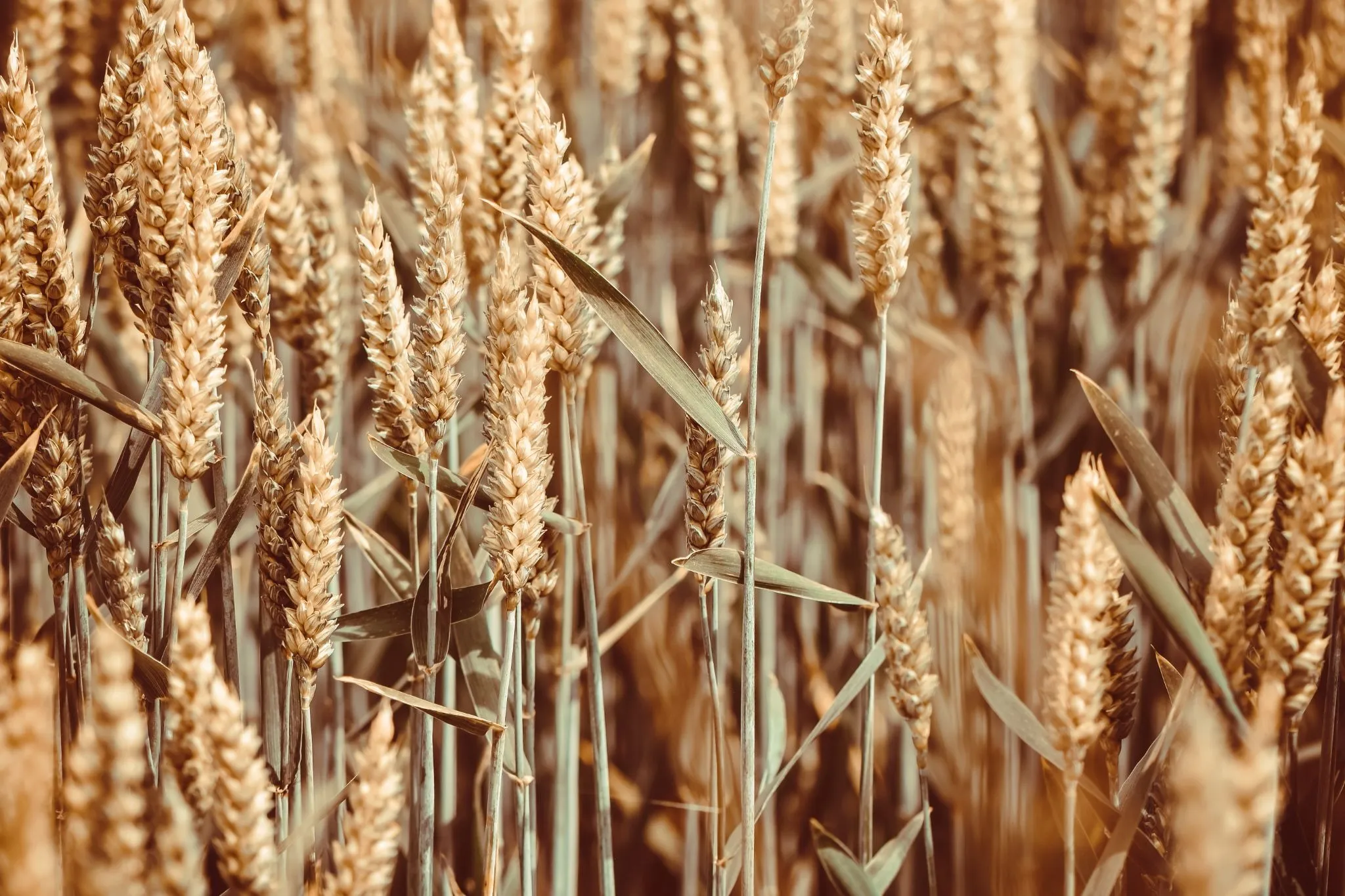
Sustainable grain farming is no longer a niche idea on the edges of agriculture.
Fast becoming the basis for how today’s distilleries source the corn, rye, barley and wheat that ends up in every bottle of whiskey, vodka and gin. And they’re shifting quickly.
With a smart sustainable grain strategy, distillers can:
- Lock in higher quality grain year after year
- Reduce their carbon footprint dramatically
- Tell a story consumers actually want to pay for
Here is how this whole movement is changing the spirits world…
What you’ll discover:
- Why Sustainable Grain Farming Matters For Distilleries
- The Rise Of Grain-To-Glass Distilling
- How Equipment Choices Affect Sustainability
- The Real Numbers Behind The Movement
Why Sustainable Grain Farming Matters For Distilleries
The link between farming and distilling has always been there.
Yet for generations it remained unseen. Many whiskey makers purchased grain from massive bulk providers without question or concern for where it was grown. But that trend is quickly reversing itself.
American distillers consumed over 2.8 billion pounds of grain in 2023. To put that into perspective, that’s more than twice as much grain as they used 10 years ago. Each pound had to come from a farm at one point.
So distillers are asking better questions:
- Where is this grain grown?
- How is the soil being treated?
- What does it actually taste like?
That’s where precision farming equipment steps in. Farmers browsing through quality grain drills for sale want affordable used planter parts and attachments compatible with their no-till and cover crop systems. Buying used planter parts and attachments allows smaller and medium-sized farms to level-up their operations without breaking the bank on brand new equipment. When you farm regeneratively, planting takes on a whole new set of tools than traditional row crop planting. Row cleaners, closing wheels, seed firmers; they all factor into achieving ideal emergence when planting into heavy residue.
The result
Healthier soil = better grain = better spirits.
The Rise Of Grain-To-Glass Distilling
Grain-to-glass is when distillers oversee the process from planting the grain to bottling the whiskey
A few years ago this was a tiny movement. Now it is everywhere.
Consider Maker’s Mark. Their Star Hill Farm initiative developed hundreds of acres into a model regenerative agriculture operation. That means cover crops, minimal tilling and allowing the soil to regenerate naturally. Why would they do that? Improved soil grows grain with more flavor.
And they are not alone.
Heaven Hill Distillery started its Grain to Glass program in 2017. Family farms in Kentucky grow grains exclusively for them, and they select one corn varietal per year. Frey Ranch does the whole growing and malting process themselves, all on one estate in Nevada. Brothers Bond released a Regenerative Grain Bourbon. State Line Distillery in Wisconsin gets their barley from organic farms in Wisconsin’s Driftless Area.
These distilleries are betting big on a simple idea
Consumers care where their booze comes from.
Let’s look at the stats. The global size is forecast to reach USD 23.44 billion by 2025 and register a CAGR of 11.71% during 2025-2030 to arrive at USD 40.78 billion. Demand is growing exponentially. And consumers who prefer craft brands are the ones most likely to inquire about sourcing
If your bottle has a story..
You can charge more for it.
How Equipment Choices Affect Sustainability
Here is something most people in the spirits world never talk about.
The largest influence on grain sustainability takes place in the field, not the still. All of the decisions made by farmers from planting to tilling to harvesting impact the carbon footprint of that bottle.
For example, no-till and strip-till systems can:
- Lock carbon into the ground
- Reduce diesel use by a huge margin
- Cut soil erosion dramatically
- Improve water retention during drought
However, to do any of this you need appropriate planting equipment. Farmers transitioning into regenerative practices want equipment that works for cover crops and high-residue fields. They aren’t always able to buy all new equipment.
Tip: You can buy aftermarket row cleaners, altered closing wheels and new seed firmers to fit on old planters. That makes upgrading much less expensive.
This matters for distillers because-
If the farmers supplying their grain aren’t in a financial position to make the transition, the sustainability story crumbles. If distilleries want the ability to claim regenerative grain on their label, they need to back up those farmers who are doing the work.
Distilleries are now beginning to directly invest into their farm partners. They help pay for new equipment, cover crop seed and the transition years where yields may decrease.
The Real Numbers Behind The Movement
The spirits industry has a real carbon problem.
Research published in 2012 determined that a 750ml bottle of column-still liquor produces approximately six pounds worth of greenhouse gasses. Pot-still spirits are even less friendly at 6.5lbs of CO2 per bottle. Quite a heavy footprint for one bottle.
But things are improving fast.
Consider Finland’s Nordic Spirits. This company produces about 30 million liters (6.3 million gallons) of ethanol per year. It uses approximately 12% of Finland’s barley crop each year. Milling grain for ethanol produces husks, which Nordic uses as fuel for their biopower plant. That plant produces enough steam to provide heat energy for most of the distillation process. After the fuel burns, the remaining ash is used as fertilizer on barley fields. This means that, overall, Nordic Spirits operates in something close to a closed loop system. Pretty neat huh
If even a fraction of US grain alcohol production used regenerative grain, the carbon benefit would be huge.
What This Means For Drinkers
You are starting to see new labels and certifications pop up:
- Estate Whiskey
- Regenerative Grain
- Single-farm sourcing
- Carbon-neutral certified
It’s not just marketing speak either. These terms signal actual changes occurring on-the-ground. Climate-conscious consumers can now drink and make a difference.
Distilleries that are doing it right, however, are reaping substantial benefits. Across almost 2,000 facilities that reported numbers, there was a 17-percent reduction in emissions from 2015 to 2020.
Final Thoughts
Sustainable grain farming is reshaping distilled spirits in ways most people never expected.
It is changing:
- Flavor: Healthier soil grows better tasting grain
- Pricing: Premium stories command premium prices
- Carbon: Regenerative fields lock carbon back into the ground
- Communities: Local farm partnerships keep money in rural area
To quickly recap the whole thing:
- Distilleries are switching to grain-to-glass models
- Farmers need the right gear to make regenerative practices work
- Used planting equipment makes the switch affordable
- Consumers are willing to pay more for traceable, sustainable spirits
- The spirits industry is cutting emissions year after year
Whiskey’s future. Vodka’s future. The future of every distilled spirit lies in the ground. Farmers and distilleries that understand this today will be running the show for the next half-century.