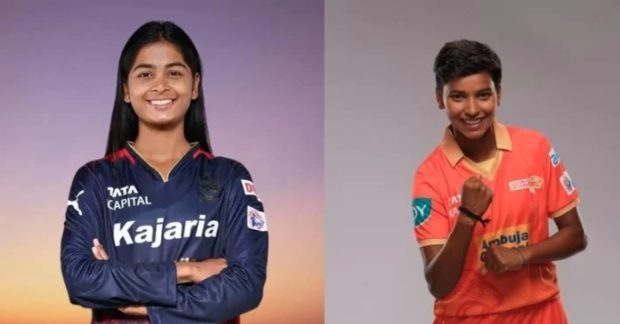
The Women’s Premier League has moved beyond its early novelty phase. By the end of the 2025 season, crowned by a tightly contested title run that showcased tactical maturity and depth, the WPL had firmly established itself as the most important talent accelerator in Indian women’s cricket. The conversation ahead of the next season is no longer about whether the league works. It is about who is ready to take the next leap.
Emerging players in the WPL are not raw prospects in the traditional sense. Most arrive with strong domestic records, age group international experience, or standout moments in pressure games. What separates them now is how quickly they adapt to elite tempo, role clarity, and match awareness. The following players represent the next wave, cricketers whose development curves point sharply upward as the next WPL season approaches.
What Defines an Emerging Player in the Modern WPL?
In the early seasons, emerging talent was identified largely through domestic numbers. By 2025, franchises evaluate players differently. Coaches look for decision making under stress, clarity of role, and the ability to adjust within an innings.
An emerging WPL player today typically shows three traits. First, they influence matches in specific phases rather than across formats. Second, they respond quickly to setbacks, whether it is being targeted by opposition plans or dropped in the batting order. Third, they demonstrate learning across a season, not just flashes of brilliance.
This shift mirrors global franchise trends seen in leagues like the BBL Women and The Hundred, where specialists often outlast generalists.
Shreyanka Patil: From Promise to Control
Shreyanka Patil’s growth over successive WPL seasons has been steady rather than explosive, and that is precisely what makes her one of the most watchable emerging players. Her off spin is no longer just about drift and turn. It is about control of tempo.
During the 2025 season, Patil’s best performances came when captains trusted her during momentum overs. She bowled into the wind, adjusted pace without visible effort, and forced batters into riskier shots. Her batting, often underrated, also showed signs of maturity with calm cameos rather than rushed strokes.
What stands out is her composure. In a league where young bowlers are often attacked relentlessly, Patil absorbed pressure and responded with subtle variations. For the next season, her challenge will be consistency across venues, but the foundation is firmly in place.
Saika Ishaque: Reinventing the Left Arm Spinner Role
Left-arm spinners often face a dilemma in T20 cricket. They are either defensive or targeted. Saika Ishaque has begun redefining that role in the WPL.
Her performances in 2025 were built on brave bowling. She attacked stumps, bowled flatter when needed, and was unafraid to toss the ball up even after being hit. WPL teams value this mindset because it creates wicket-taking options in middle overs, a phase that often decides matches.
Ishaque’s control against right-hand batters stood out, especially when teams attempted to line her up. She adjusted angles and speeds rather than retreating. As the next season approaches, teams are likely to plan more aggressively against her, making her adaptation a key storyline.
Shweta Sehrawat: Timing Over Power
In a league dominated by strike rates and boundary counts, Shweta Sehrawat’s batting offers something different. Her strength lies in timing and placement rather than brute force.
During the 2025 season, Sehrawat played several innings that stabilized her side after early wickets. She rotated strike with ease and waited patiently for scoring opportunities. This approach may not always grab headlines, but it wins matches over the long run.
What makes her an emerging player to watch is her adaptability. Against spin, she uses depth in the crease. Against pace, she trusts her hands. With franchises increasingly valuing batting depth and flexibility, Sehrawat’s profile fits modern team building patterns.
Kanika Ahuja: Power With Responsibility
Kanika Ahuja represents a new generation of Indian batters who are comfortable playing high impact roles early in their careers. Her batting in the WPL has been defined by fearless stroke play, particularly down the ground.
In the 2025 season, Ahuja’s challenge was shot selection rather than ability. When she chose moments wisely, she changed games within a few overs. When rushed, she gave bowlers openings.
Her growth area is responsibility. Franchises are now asking her to bat through phases rather than just attack from ball one. If she can blend aggression with situational awareness, she could become a cornerstone batter in the next WPL cycle.
Minnu Mani: The Quiet All Rounder
Minnu Mani does not draw attention with flamboyance, but her value to teams has increased steadily. As a seam bowling all rounder, she offers balance that is rare in Indian women’s cricket.
In 2025, Mani’s bowling improved markedly. She hit consistent lengths, used cutters effectively, and showed tactical awareness at the death. With the bat, she contributed useful runs without forcing the pace.
What makes her an emerging name is reliability. In franchise cricket, dependable all rounders often earn extended careers because they allow teams flexibility in combinations. Mani’s development reflects that trend.
Emerging Batters vs Emerging Bowlers: A WPL Trend
One noticeable pattern in the WPL is the faster rise of batters compared to bowlers. Batting skills translate quicker to franchise formats, while bowlers often need more seasons to refine execution under pressure.
| Aspect | Emerging Batters | Emerging Bowler |
| Immediate impact | High | Moderate |
| Consistency growth | Gradual | Slower |
| Role clarity | Defined early | Evolves over time |
| Longevity outlook | Depends on adaptability | Often longer careers |
Understanding this trend helps contextualize why bowlers like Saika Ishaque and Shreyanka Patil are particularly valuable as emerging talents.
International Exposure Accelerating Development:
Several emerging players have benefited from limited international exposure, which complements their WPL experience. Playing bilateral series or ICC tournaments sharpens awareness that carries back into franchise cricket.
For example, young players returning from international duty in 2025 displayed clearer game plans in the WPL. They knew when to absorb pressure and when to accelerate. This cross pollination between formats is becoming a hallmark of modern women’s cricket.
Franchises now track how players respond after international stints, adjusting roles accordingly.
The Role of Captains in Nurturing Emerging Talent:

Leadership has played a quiet but crucial role in the rise of young players. Experienced captains in the WPL have shown greater willingness to back emerging talent through lean patches.
A spinner being trusted after conceding boundaries or a young batter being sent in during a collapse sends a strong message. These moments shape confidence more than nets or drills.
The 2025 title winning side exemplified this approach, persisting with young players even under pressure. That trust accelerated growth across the squad and set a template for others.
Domestic Performance Still Matters, But Context Is Key:
Strong domestic seasons remain the entry point for emerging players, but franchises now read numbers with context. Runs scored in pressure chases or wickets taken on flat pitches carry more weight than aggregate tallies.
Players who performed in knockout matches of domestic tournaments gained particular attention ahead of the next WPL cycle. This mirrors selection logic seen in leagues like SA20 and MLC, where impact moments outweigh volume.
Who Could Break Through Next Season:
While some names are already familiar, the next WPL season is likely to elevate one or two players into mainstream recognition. These breakthroughs often come from unexpected roles: a lower order batter finishing games, a bowler mastering one specific phase, or a fielder changing matches with athleticism.
What unites all potential breakout stars is readiness. The WPL no longer waits for players to mature slowly. Those who adapt quickly seize opportunities.
The Bigger Picture for Indian Women’s Cricket:
Emerging players in the WPL do more than strengthen franchises. They expand the national pool. Selection debates are now richer, with multiple contenders for each role.
This depth reduces over reliance on senior players and allows better workload management. It also creates healthy competition, pushing standards higher across the system.
By the time the next WPL season begins, several of these emerging names will no longer be considered prospects. They will be expected contributors.
Conclusion
The next WPL season will not be defined only by star names or marquee signings. It will be shaped by emerging players ready to step into responsibility. From Shreyanka Patil’s growing authority with the ball to Shweta Sehrawat’s calm batting presence, the league’s future is already visible.
What makes the WPL special is how quickly it turns potential into performance. As franchises refine strategies and players gain confidence, the line between emerging and established continues to blur. For fans and followers of Indian women’s cricket, that is the most exciting development of all.